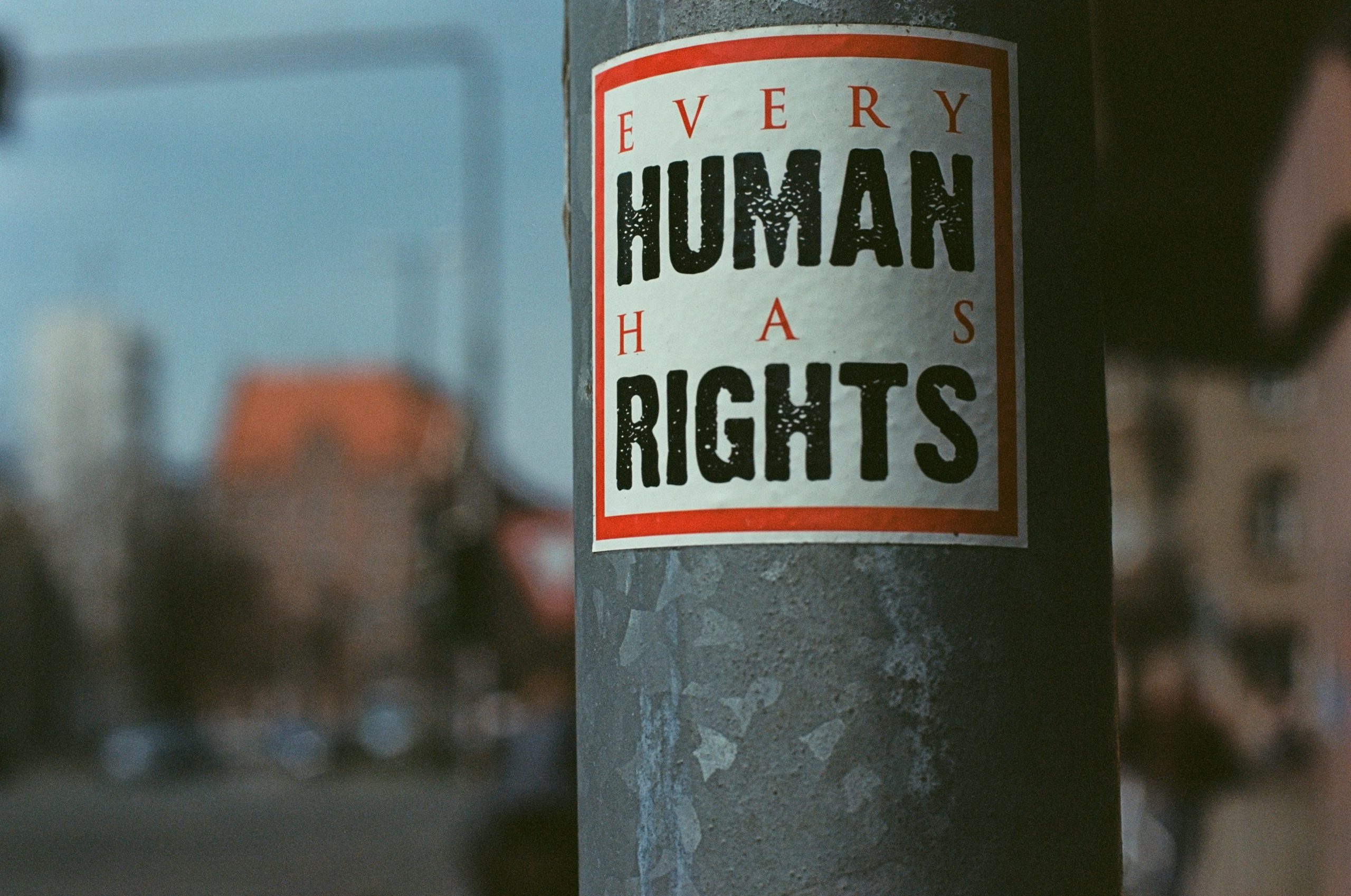
Human rights violations affect over 40% of the global population daily, yet most people couldn’t name five of their fundamental human rights . Surprisingly, these rights impact everything from your privacy online to your access to clean water.
Unfortunately, when human rights are threatened, many remain uncertain about what practical steps to take. Despite international protections existing for decades, the gap between written rights and lived reality continues to widen for billions worldwide .
Understanding Your Rights
This guide breaks down exactly what human rights are, how they’re protected, and what threats they face today. Specifically, we’ll explore practical actions you can take to defend your rights and join others in creating meaningful change. Whether you’re facing discrimination, concerned about digital privacy, or simply want to better understand the freedoms you’re entitled to, this comprehensive approach will equip you with the knowledge and tools to take action.

The concept of human rights goes far beyond mere legal protection. These rights represent the foundation of freedom, justice, and peace across the world. Understanding your rights is the first step toward protecting them and creating a society where everyone can live with dignity.
What human rights really mean
Human rights are inherent to all human beings, regardless of race, sex, nationality, ethnicity, language, religion, or any other status. They are not privileges granted by governments but fundamental entitlements that belong to each person simply because we exist as human beings. These rights are inalienable—they should not be taken away except in specific situations according to due process of law.
The essence of human rights lies in their universality and indivisibility. Universality means everyone is equally entitled to these rights without discrimination. Indivisibility means all human rights are interconnected; one set of rights cannot be fully enjoyed without the other. For instance, civil and political rights are linked to economic, social, and cultural rights.
At their core, human rights encompass:
- The right to life and liberty
- Freedom from slavery and torture
- Freedom of opinion and expression
- The right to work and education
- The right to a standard of living adequate for health and well-being
These rights establish the minimum conditions necessary for people to live with dignity and fulfill their potential.
Why they matter in everyday life
Human rights may seem abstract, but they affect virtually every aspect of our daily existence. Moreover, they provide the essential framework that allows us to live freely and peacefully.
Consider your morning routine—drinking clean water, reading news, walking freely, or enjoying a meal with family. Each of these simple acts is made possible by human rights in practice. The right to clean water, freedom of information, freedom of movement, and the right to adequate food are all enshrined in human rights principles.
Additionally, human rights serve as a powerful shield against abuse and inequality. They enable people to stand up against societal corruption and government overreach. In countries where these rights are respected, vulnerable groups receive protection, workers enjoy fair treatment, and children gain access to education regardless of their background.
Furthermore, human rights establish a universal standard that holds governments accountable. They create a baseline for dignity that applies to everyone, everywhere. As principles recognized across cultural and political boundaries, they offer a common language for addressing injustice.
The Universal Declaration of Human Rights
The Universal Declaration of Human Rights (UDHR) stands as one of humanity’s greatest achievements. Adopted by the United Nations General Assembly on December 10, 1948, it emerged as a response to the atrocities of World War II, particularly the Holocaust.
The Declaration consists of 30 articles that comprehensively outline the fundamental rights all humans should enjoy. These range from basic freedoms to social and economic rights. Remarkably, this landmark document has been translated into over 500 languages, making it the most translated document in the world [1].
Two key ethical considerations underpin the UDHR: a commitment to the inherent dignity of every human being and a commitment to non-discrimination. The preamble powerfully states that “recognition of the inherent dignity and of the equal and inalienable rights of all members of the human family is the foundation of freedom, justice and peace in the world” [1].
Although not legally binding itself, the UDHR has inspired numerous international treaties and national constitutions. It has become the cornerstone of international human rights law and has shaped the global understanding of human dignity for generations.
Today, the UDHR remains a living document that continues to guide and steady us through uncertainty. Its principles are as relevant now as they were in 1948—perhaps even more so in our increasingly complex world.
How Human Rights Are Protected
The protection of human rights depends on a complex network of legal frameworks and institutions operating at multiple levels. These protections create accountability for governments and provide recourse for individuals when their rights are violated.
International treaties and conventions
The foundation of global human rights protection rests upon the Universal Declaration of Human Rights (UDHR), adopted in 1948. Though not legally binding itself, the UDHR has inspired numerous enforceable treaties and serves as the cornerstone of international human rights law [1].
Building upon this foundation, the United Nations has developed legally binding instruments including:
- The International Covenant on Civil and Political Rights (ICCPR), enforcing rights such as freedom of movement, equality before law, fair trials, and protection against arbitrary detention [2]
- The International Covenant on Economic, Social and Cultural Rights (ICESCR), protecting rights to education, fair working conditions, adequate living standards, and healthcare [3]
- The Convention against Torture (UNCAT), which prohibits torture and cruel, inhuman, or degrading treatment [3]
Together with the UDHR, these covenants form the International Bill of Rights [4]. Other significant treaties include conventions protecting women, children, persons with disabilities, and those preventing racial discrimination and genocide [2].
Each treaty has a dedicated monitoring body – committees of independent experts who assess state compliance through various mechanisms including periodic reviews, interpretive guidance, and in many cases, individual complaints procedures [5]. For instance, the Human Rights Committee oversees ICCPR implementation, while the Committee on Economic, Social and Cultural Rights monitors ICESCR compliance [2].
National laws and constitutions
International principles become truly effective primarily when incorporated into national legal systems. Many countries enshrine human rights protections in their constitutions or specific legislation [6].
In the United Kingdom, the Human Rights Act 1998 represents a milestone in rights protection, incorporating the European Convention on Human Rights into domestic law [7]. This means individuals can seek justice in British courts rather than having to appeal to European institutions [8]. The Act places obligations on all public bodies – including courts, police, local authorities, and hospitals – to respect and protect human rights [7].
National laws often provide more detailed protection than international instruments. They create specific enforcement mechanisms tailored to local legal traditions while establishing clear limits on government power [9].
Notably, several countries have also developed specialized laws protecting human rights defenders – individuals who work to promote and protect rights. These laws provide legal recognition and protection enabling defenders to work in safer environments [10].
The role of courts and legal systems
Courts serve as the ultimate guardians of human rights, providing remedies when violations occur. Three permanent regional courts exist specifically for human rights enforcement: the European Court of Human Rights, the Inter-American Court of Human Rights, and the African Court of Justice and Human Rights [6].
At national levels, courts interpret and apply human rights laws in individual cases. They must interpret all legislation in ways compatible with human rights obligations whenever possible [11]. In the UK, for example, courts can issue “declarations of incompatibility” when laws conflict with human rights standards, prompting parliamentary reconsideration [11].
Judicial review stands as a crucial mechanism for rights protection, allowing individuals to challenge government decisions that violate rights [9]. This process not only provides remedies in specific cases but also encourages better decision-making by public authorities who know their actions may face legal scrutiny [9].
Indeed, the ability to enforce rights through legal action represents what makes human rights truly meaningful rather than mere aspirations. Without effective judicial mechanisms, the promises contained in declarations and treaties would remain largely symbolic.
Common Threats to Human Rights Today
Despite global frameworks designed to protect human rights, several critical threats undermine these protections worldwide. These challenges continue to evolve, creating new vulnerabilities for individuals and communities across different contexts and regions.
Discrimination and inequality
Inequality stands as a fundamental threat to human rights, affecting societies globally in various forms. Currently, one in five people worldwide has experienced discrimination, with women and people with disabilities disproportionately affected [12]. This discrimination manifests across multiple dimensions—race, gender, religion, ethnicity, sexual orientation—hampering individuals’ ability to fully exercise their rights.
Economic inequality particularly threatens long-term social development, as the wealth gap continues to widen. Strikingly, the richest 85 individuals now possess approximately the same wealth as the poorest 3.5 billion people combined [13]. This severe imbalance undermines human dignity and fuels social unrest.
The COVID-19 pandemic further exacerbated these disparities, causing the largest rise in between-country inequality in three decades [12]. Subsequently, these inequalities translate into diminished access to healthcare, education, housing, and other essential services for marginalized communities.
Authoritarianism and censorship
Authoritarian governance poses an increasingly serious threat to human rights globally. Across regions, autocratic leaders deliberately erode independent institutions vital for protecting human rights while shrinking spaces for expressing dissent [14]. This systematic undermining of checks and balances carries alarming consequences for rights protection.
Censorship has intensified, especially during times of conflict. Governments worldwide routinely imprison people for speaking out, frequently abusing their authority to silence peaceful dissent by criminalizing freedom of expression [15]. For instance, Meta’s policies and practices have been silencing voices supporting Palestine and Palestinian rights on social media platforms, with over 1,050 takedowns documented between October and November 2023 alone [16].
Freedom of expression indicators have deteriorated sharply since 2014, falling to their lowest levels since 1993 in 2024 [17]. Concurrently, technology enables unprecedented surveillance, with journalists and activists facing digital harassment, censorship, and targeting through sophisticated monitoring systems.
Climate change and environmental injustice
Climate change represents one of the greatest threats to human rights today, with disproportionate impacts on vulnerable populations. The World Health Organization predicts climate change will cause 250,000 deaths yearly between 2030 and 2050 [18]. These impacts undermine fundamental rights to life, health, food, and adequate living standards.
Environmental injustice intensifies existing inequalities. Those who have contributed least to climate change unjustly suffer its harms most severely [19]. Indigenous peoples, minorities, and communities in developing countries face the harshest consequences while having fewer resources to adapt.
The climate crisis affects multiple rights simultaneously—from displacement and food insecurity to water access and health. In 2023, the number of people experiencing acute food insecurity worldwide more than doubled to 333 million compared to pre-pandemic levels [20], a situation worsened by climate extremes.
Technology and data misuse
Digital technologies present unique human rights challenges through surveillance, algorithmic bias, and privacy violations. AI systems affect all human rights given their indivisible nature [21], yet often exacerbate existing social inequalities by targeting already vulnerable groups.
Data privacy violations threaten fundamental rights recognized in Article 12 of the Universal Declaration of Human Rights [22]. Commercial service providers frequently require excessive user data collection, storing information outside individuals’ control. Facial recognition and language modeling technologies have repeatedly shown prejudice against racial and ethnic minorities [21], leading to injustices like false arrests.
Furthermore, social media algorithms enable hate speech and incitement to violence online [23]. Ninety percent of an estimated 85,000 deepfakes circulating online in 2021 depicted non-consensual pornographic images of women [24], highlighting how digital technologies disproportionately harm marginalized groups.
These interconnected threats demonstrate how human rights face complex, evolving challenges requiring coordinated responses from governments, civil society, and individuals alike.
What You Can Do to Protect Your Rights
Taking action to protect your rights requires both knowledge and courage. Defending human rights begins with individual efforts, yet collective action remains essential for creating lasting impact.
Know your rights and stay informed
Understanding your fundamental rights forms the foundation of any advocacy effort. First, focus on quality over quantity when seeking information. Several trusted sources provide reliable updates on human rights issues:
- Newsletters from established organizations like Human Rights Watch and Amnesty International deliver well-researched information directly to your inbox [25]
- Publications such as The New Humanitarian and Women’s UN Report Network offer accessible starting points [25]
- Easy Read information using simple language and visual aids helps make complex rights concepts understandable [26]
Following different international perspectives on the same issues creates a more balanced understanding. Online communities on platforms like Reddit, Facebook, and LinkedIn likewise facilitate discussions on social justice and activism [25].
Speak up and report violations
When facing rights violations, addressing issues informally often resolves problems quickly. Start by clearly describing what happened, identifying involved parties, and explaining how the incident affected you. Then, specify what you want the organization to do—whether an apology, a decision review, or compensation [27].
If informal approaches fail, follow formal complaint procedures. Most public authorities maintain specific processes for addressing grievances. Your written complaints should include relevant dates, names, the impact of the violation, and your desired outcome [27].
Support human rights organizations
Organizations like Amnesty International, with over 10 million members across 150+ countries, play crucial roles in defending rights globally [28]. The British Institute of Human Rights (BIHR) trained 800+ staff in 2024 alone on Human Rights Act legal duties and supported 24 community groups tackling injustice [29].
Contributing through letter-writing campaigns, volunteering, and donations amplifies collective impact [28]. Campus groups and volunteer opportunities offer practical ways to engage while gaining valuable perspectives [25].
Use legal tools and complaint mechanisms
Human rights in Britain receive protection through the Human Rights Act 1998, applicable to everyone regardless of citizenship status [30]. This legislation allows you to defend your rights in UK courts rather than international tribunals [30].
For international violations, the United Nations offers multiple complaint channels. Anyone can submit complaints to UN Special Procedures, Treaty Bodies, or the Human Rights Council without requiring a lawyer [31]. These mechanisms help ensure violations are prevented, stopped, investigated, or remedied [32].
Crucially, remember that through individual complaints, abstract international norms find their most direct application in real-life situations [31].
Working Together for a Better Future
Human rights fundamentally belong to all people, regardless of background or status. Throughout this guide, we’ve explored what these rights mean, how they’re protected, and what threatens them today. Understanding these concepts serves as the first step toward meaningful action.
Undoubtedly, the protection of human rights remains a complex challenge requiring vigilance at multiple levels. International treaties establish universal standards, while national laws and courts provide practical enforcement mechanisms. Despite these protections, threats persist through discrimination, authoritarianism, climate change, and technological misuse.
The good news? You hold significant power to defend both your rights and those of others. By staying informed through reliable sources, speaking up when violations occur, supporting human rights organizations, and utilizing legal tools, you contribute to a more just society. Additionally, these actions create ripple effects that strengthen rights protection for communities worldwide.
Remember, human rights aren’t abstract concepts—they affect everything from your online privacy to your access to clean water. Though challenges exist, the frameworks for protection provide real pathways to justice. At the same time, your individual choices matter tremendously when combined with collective action.
The gap between written rights and lived reality may seem wide for billions worldwide, but each person who stands up for human dignity helps narrow this divide. After all, human rights protection doesn’t just happen in courtrooms and legislatures—it happens when ordinary people recognize their worth and demand respect for their inherent dignity.
Your awareness and action matter. Whether facing discrimination directly or simply wanting to understand your freedoms better, the practical steps outlined in this guide offer a starting point. Human rights belong to everyone—and everyone has a role in protecting them.
Additional Resources