
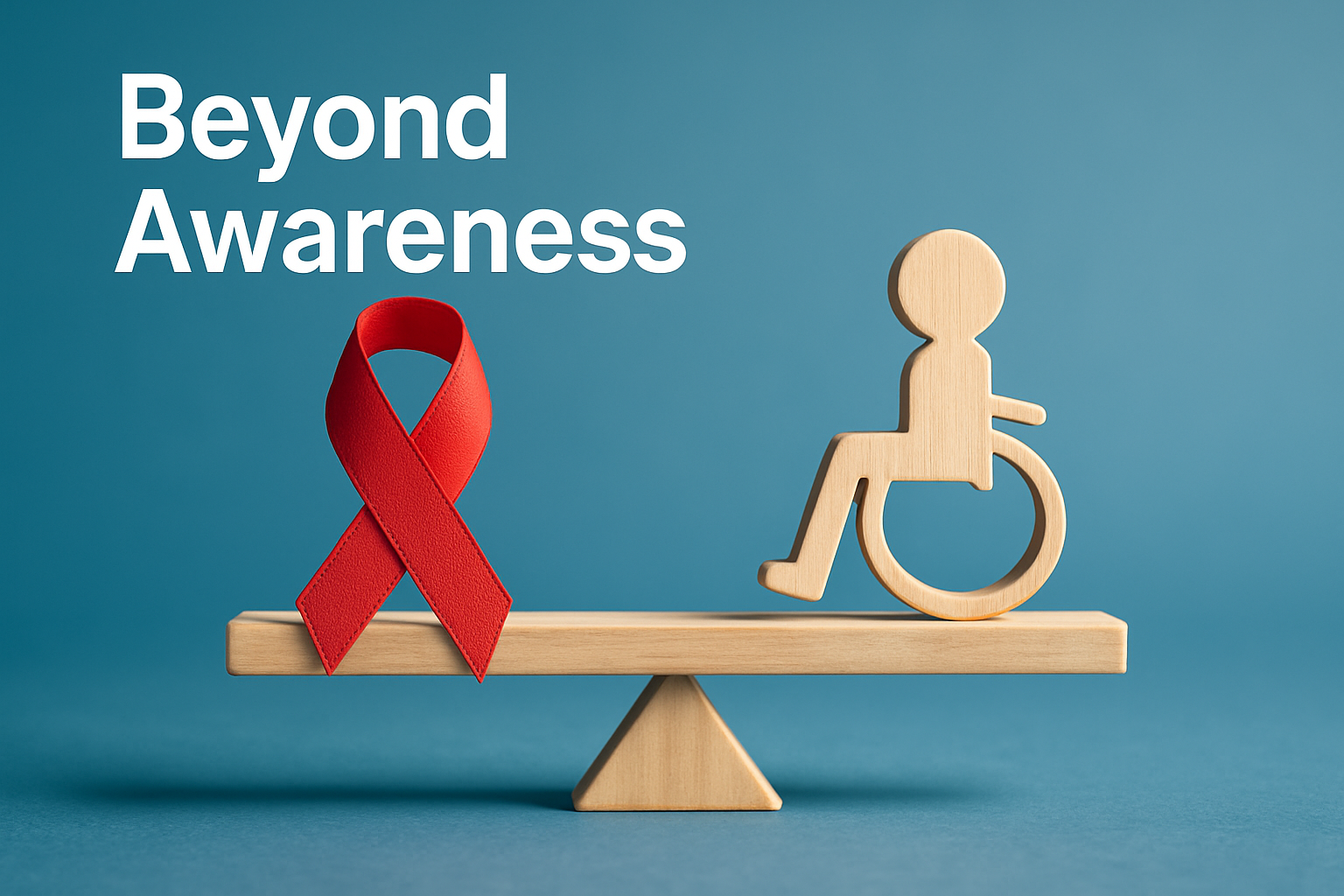
Awareness opens the door, but understanding changes the room. In conversations about inclusion, two phrases are often treated as interchangeable even though they are not: Disability Inclusion, Disability Awareness. Awareness helps you recognize barriers; understanding equips you to remove them; inclusion ensures people with disabilities can contribute fully and thrive. As you read, keep asking yourself a practical question: if awareness is noticing the fire alarm, what actions are you taking to install accessible exits, maintain the system, and practice the drill?
For working professionals, educators, and leaders, the shift from awareness to action requires concrete skills, repeatable processes, and evidence-based tools. That is exactly where guided learning matters, which is why many learners choose Apex Virtual Education for practitioner-created self-paced courses, live webinars, some certificate options, and anytime access that fits busy schedules. You will find actionable frameworks, case examples, and measurement tactics you can apply.
Disability Inclusion, Disability Awareness: What’s the Difference and Why It Matters
It helps to separate related concepts so your team can focus on the right behaviours. Awareness is the starting point, typically focused on facts, language, and etiquette, while understanding goes deeper into systems, policies, and design choices that shape everyday experiences. Inclusion is the steady outcome of aligning decisions, resources, and accountability so people with disabilities have equitable access, autonomy, and belonging. Think of it as moving from reading a map, to planning a route, to making the journey and arriving together.
Because language can be abstract, translate these ideas into observable practices and measurable results. Do people know how to run accessible meetings, produce documents with headings and alternative text, and evaluate software against the Web Content Accessibility Guidelines (WCAG)? Does your hiring process provide reasonable adjustments and accessible assessments? Are budgets and timelines scoped to include accessibility from the start, not as an afterthought? The table below summarizes the progression many organizations follow as they mature.
| Dimension | Awareness | Understanding | Inclusion |
|---|---|---|---|
| Definition | Knowledge of disability facts, etiquette, and rights | Insight into systems, barriers, and design choices | Embedded, equitable participation for people with disabilities |
| Primary Focus | Events, talks, campaigns | Policies, processes, training | Outcomes, participation, shared accountability |
| Typical Behaviors | Using respectful language, celebrating disability heritage | Budgeting for access, writing inclusive job posts | Co-design with disabled stakeholders, universal design in all projects |
| Common Pitfalls | Tokenism, one-off activities | Policy on paper without practice | Complacency or assuming needs are fully met |
| Success Measures | Attendance, engagement | Completion of training and process changes | Accessibility scores, retention, promotion, satisfaction |
The Business, Human, and Legal Case for Inclusive Practice
Globally, more than 1 in 6 people live with a disability, a figure often cited by the UN [United Nations], and this number rises when you include temporary, situational, or invisible conditions. Organizations serving this market improve reach and reputation, while teams that prioritize accessibility frequently see faster innovation because constraints fuel creativity. From a legal standpoint, the Americans with Disabilities Act (ADA) establishes nondiscrimination obligations, and many industries follow the Web Content Accessibility Guidelines (WCAG) for digital access; when you plan for these standards early, you lower costly retrofits and customer friction. The business upside is real too, with leaders reporting stronger Return on Investment [ROI] as accessible products increase conversions, reduce support tickets, and improve search visibility through clean semantic structure and captions.
Consider your own workflow and you may notice inclusion gaps hiding in plain sight. Job applications that time out without saving, videos without captions, charts without descriptions, forms that cannot be navigated with a keyboard, and interviews without alternative formats all exclude qualified candidates and customers. Meanwhile, everyday fixes are achievable: captions make content usable in quiet offices, transcripts support second-language learners, and clear headings help everyone scan faster. When inclusion is framed as performance excellence rather than merely compliance, teams engage, leaders invest, and you unlock broader customer and talent pools.
From Policy to Practice: Skills That Create Everyday Inclusion

Policy sets intent, but skills deliver outcomes. Start with communication: ask, do not assume; use person-first or identity-first language as individuals prefer; and provide multiple ways to participate, such as chat, voice, or text. Next, design for access by default using universal design principles: structure documents with headings, provide descriptive link text, supply captions and transcripts, label form fields, and ensure color is never the only way information is conveyed. Finally, operationalize inclusion by baking accessibility checks into templates, sprint reviews, and procurement so that responsibility is shared, not siloed.
Here is a practical checklist you can adapt this week. Picture a simple flow diagram that begins with “Plan,” moves to “Produce,” and ends with “Proof,” looping back for improvement. Under “Plan,” scope accessibility requirements and time. Under “Produce,” create content with styles and alternative text, ensure keyboard navigation, and set up sign language interpreting where needed. Under “Proof,” test with screen readers, run automated checks, and invite user feedback from people with disabilities. When this plan is routine, your meetings, courses, products, and services become predictably accessible.
- Meetings: Send agendas in advance, enable live captions, describe visuals verbally, and share notes after.
- Documents: Use headings, lists, and tables semantically; export accessible PDF (Portable Document Format) only when necessary.
- Digital: Test color contrast, keyboard focus, and error messaging; follow the Web Content Accessibility Guidelines (WCAG).
- People: Offer reasonable adjustments during hiring and performance reviews; train managers and Human Resources (HR) together.
Case Examples: What Works Across Workplaces, Campuses, and Services
A technology firm aligned design sprints with accessibility checks and prototyped with disabled users. Within 3 months, application completion rates grew by 18 percent and support tickets for form errors dropped by 22 percent. They trained product managers on universal design, updated component libraries, and included accessibility in acceptance criteria. The lesson is deceptively simple: when you shift left, you ship better.
Meanwhile, a regional hospital added plain-language summaries to after-visit instructions, captioned all patient education videos, and deployed high-contrast templates. Satisfaction scores for patients with low vision improved by 24 percent and medication adherence rose 11 percent, according to internal surveys. At a university, faculty redesigned syllabi and lecture slides using accessible templates and provided alternative assessments; students reported reduced cognitive load and overall course retention increased by 6 percent. Across sectors, the pattern repeats: clarity, choice, and co-design produce measurable gains.
| Sector | Action Taken | Key Metric | Result |
|---|---|---|---|
| Technology | Built accessibility into design sprints | Form completion rate | +18 percent in 3 months |
| Healthcare | Plain-language instructions and captions | Patient satisfaction | +24 percent for low-vision patients |
| Higher Education | Accessible templates and assessment choices | Course retention | +6 percent in one term |
Building Capability With Apex Virtual Education
Closing the gap between intention and execution takes guided practice, and that is where Apex Virtual Education shines. The platform offers a wide range of courses across Business, Accounting and Finance, Technology, Engineering, Health, Arts, Design, Academics, Language, Human Resources, Social Science, and Self-Improvement, all designed to be practical, skill-based, and created or curated with industry practitioners.
To connect learning with your accessibility goals, map course choices to the skills your team needs right now. For example, pair a leadership course with inclusive hiring labs, or a data visualization course with accessible chart design. Combine policy courses with hands-on labs that practice screen reader testing, caption authoring, and accessible document production. Because courses are online and available anytime, busy professionals across Human Resources (HR), engineering, finance, and healthcare can learn without travel or extended downtime, and organizations can onboard large cohorts without logistical hassle.
| Course Category | Inclusion Skill Gains | Example Course Outcome |
|---|---|---|
| Business | Inclusive leadership, change management, ethical decision-making | Draft a 12-month inclusion roadmap with clear milestones |
| Accounting and Finance | Accessible reporting, clear data storytelling | Create accessible dashboards and budget for accessibility from the start |
| Technology | Accessible front-end patterns, testing workflows | Integrate Web Content Accessibility Guidelines (WCAG) checks into your CI pipeline |
| Engineering | Universal design, physical access and safety | Evaluate sites for barriers and propose costed remediation plans |
| Health | Plain language, patient communication, consent practices | Write accessible after-visit summaries with teach-back techniques |
| Arts and Academics | Accessible media, captioning, alternative assessment | Produce captioned lectures with described visuals and multiple assessment paths |
| Human Resources | Inclusive hiring, accommodations, equitable performance reviews | Design an accommodations workflow that is confidential, fast, and fair |
| Self-Improvement | Allyship, disability etiquette, self-advocacy | Practice conversations that clarify needs without forcing disclosure |
Measurement, Momentum, and Long-Term Culture Change

Without measurement, inclusion efforts stall. Define 3 to 5 Key Performance Indicator [KPI] Key Performance Indicator [KPI] targets tied to access and participation, such as caption coverage, accessibility scores for top pages, time-to-accommodation, retention of employees with disabilities, and satisfaction with meetings and learning. Track progress monthly, pairing quantitative data with qualitative comments gathered through anonymous check-ins. Then place accountability where it matters by making goals part of team plans and recognizing the people who improve processes, not just outcomes.
You can move quickly with a 30-60-90 plan that builds skills while delivering value. In the first 30 days, run a baseline accessibility review, fix quick wins, and train team leads. By 60 days, rebuild templates and procurement checklists so accessibility is default. By 90 days, co-design with disabled users, publish your inclusion standards, and report results to your organization. To embed the work, create an Employee Resource Group [ERG] Employee Resource Group [ERG] that partners with leadership, and schedule refresher training every quarter so skills stay sharp as teams and tools change.
Frequently Asked Practical Questions
What if our technology stack is locked down by vendors? Ask for accessibility conformance reports, require Web Content Accessibility Guidelines (WCAG) criteria in contracts, and pilot tools with disabled users before renewal. How do we handle competing deadlines? Use a risk-based approach that fixes high-impact issues first and schedules deeper refactors on the roadmap. What about small teams? Start with high-leverage habits like accessible templates, captioning, and clear alternative text; small changes compound into big gains.
Where should managers begin on a busy week? Choose one meeting to make fully accessible and one document to rebuild with headings and descriptive links. Then pick a short course from Apex Virtual Education; some courses offer certificates, and put the checklist to work the same day. Over time, stack certificates to prove your readiness for advancement, and invite your team to learn together so you share a common vocabulary and standard of excellence.
The Inclusive Mindset: From Intent to Identity
Beyond tools and tables, inclusion is about identity and dignity. Many people prefer identity-first language, others prefer person-first, and your best guide is respectful curiosity. Normalize asking, normalize flexibility, and normalize designing with disabled people rather than for them. When inclusion becomes a shared identity, not just a policy, culture change holds even as people, products, and priorities evolve.
As you move forward, remember that this is a craft you can learn and improve. Every caption added, every accessible chart, and every equitable hiring step builds momentum. When leaders model the work, teams follow; when teams share methods, organizations change. Education turns awareness into understanding and understanding into action that lasts.
One-sentence recap: Real progress happens when you practice accessible design, measure outcomes, and build skills that stick. Imagine the impact of a year spent embedding accessible habits into every course, product, and meeting. What possibilities open when your organization treats inclusion as a marker of excellence rather than a compliance chore, and how will you personally champion Disability Inclusion, Disability Awareness?
Additional Resources
Explore these authoritative resources to dive deeper into Disability Inclusion, Disability Awareness.
- Disability Awareness Is Not a Moment, It’s a Movement
- Disability Awareness – Centre for Parent Information and Resources
Elevate Disability Inclusion with Apex Virtual Education
Advance your career with courses created or curated with industry practitioners across Business, Accounting/Finance, Technology, Engineering, Health, Arts, Design, Academics, Language, Human Resources, Social Science, and Self-Improvement. Some courses offer certificates; certain certification-bearing courses may require fees or proctored exams.